Prolonged Multi-Deck Blackjack Play and Its Influence on Decision Making Patterns
Wendy Krause · Nov 15, 2026
Prolonged Multi-Deck Blackjack Play and Its Influence on Decision Making Patterns
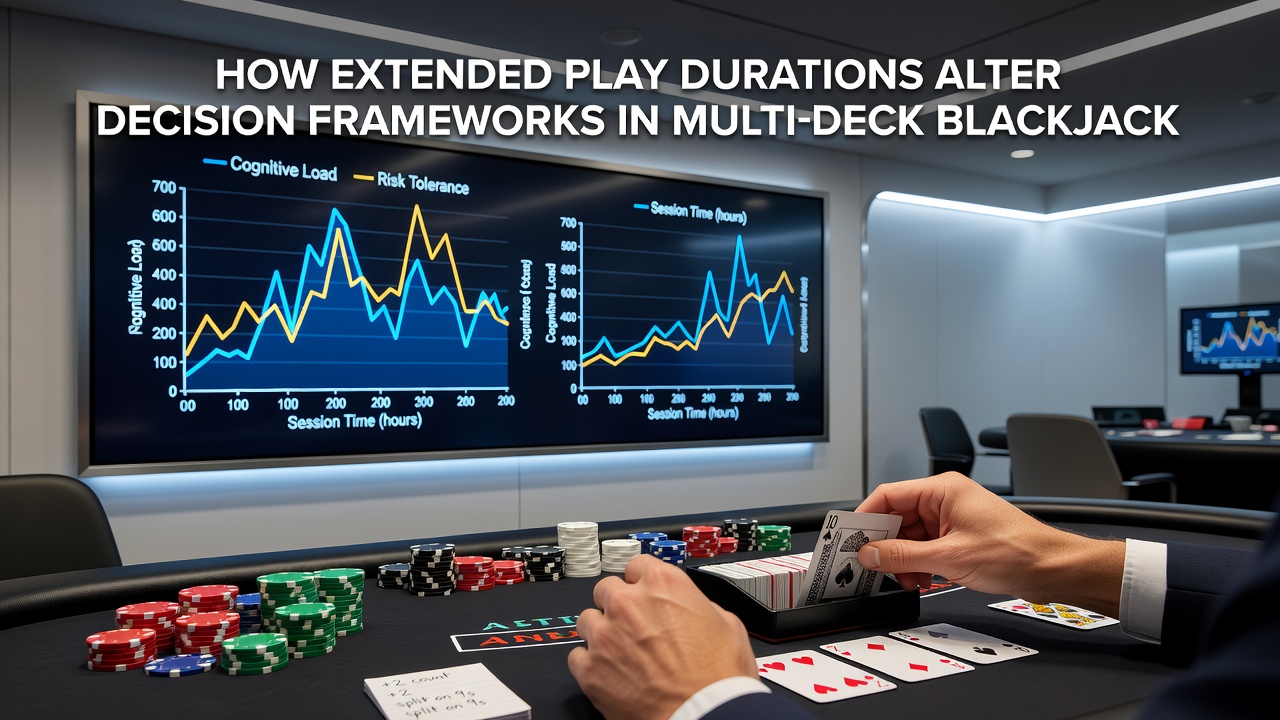
Extended sessions in multi-deck blackjack introduce measurable shifts in how players approach choices at the table, and researchers tracking these patterns note several consistent trends tied to duration rather than just deck composition. Data from controlled studies show that as play stretches beyond two hours, deviations from basic strategy increase in frequency even when the underlying math remains constant, which points to factors like mental accumulation and physical positioning at the felt.
Core Mechanics of Multi-Deck Games Under Extended Conditions
Multi-deck setups typically run six or eight decks in the shoe, and this structure keeps the house edge relatively stable across hands when players stick to standard charts, yet prolonged exposure changes how those same charts get applied in real time. Observers tracking sessions in regulated venues report that early rounds often follow textbook decisions while later ones incorporate more hesitation or adjustments based on perceived momentum. Figures from industry reports indicate that average session lengths in North American casinos hover around ninety minutes, but those extending past three hours reveal distinct clusters of altered plays such as increased standing on soft totals or delayed doubling attempts.
Fatigue and Cognitive Load in Successive Hands
Studies conducted through university gaming labs demonstrate that decision accuracy declines as the number of consecutive hands rises, particularly when players manage multiple variables like running counts and true count conversions simultaneously. One analysis of video-recorded play found error rates climbing from under five percent in the first hour to nearly twelve percent after four hours, with the majority of mistakes occurring on borderline doubling and splitting scenarios. These patterns hold across different player skill levels, though experienced counters show slower degradation because they often pause to recalibrate rather than rush choices. And the effect compounds when table minimums stay fixed, since bankroll pressure adds another layer that influences whether a player takes insurance or splits pairs during the later stages of a long sit.
Shoe Depletion Interacting With Time-Based Factors
Card removal effects become more pronounced the deeper into the shoe play goes, and extended durations naturally push more hands into higher penetration zones where strategy indices shift. Research indicates that players who maintain consistent bet spreads early on sometimes tighten those spreads later, not because the count warrants it but because accumulated variance prompts more conservative sizing. Data collected from surveillance logs in Nevada properties reveal that surrender decisions, when available, get skipped at higher rates after the three-hour mark even in counts that clearly favor the move. This occurs alongside subtle changes in table position awareness, where those seated in later spots begin reacting to dealer pace rather than independent probability calculations.
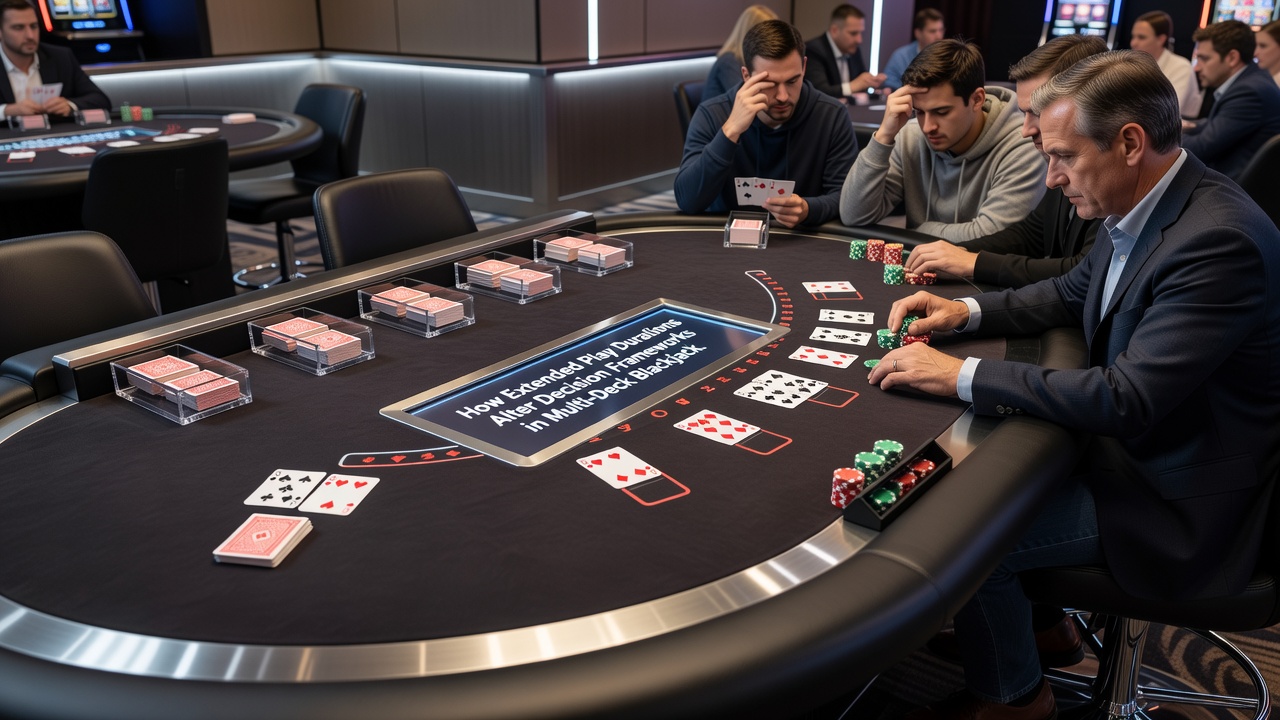
Regulatory tracking through bodies like the Nevada Gaming Control Board shows steady growth in extended-play complaints filed by patrons, and similar patterns appear in reports from the Australian Gambling Research Centre where session length correlates with increased requests for strategy clarification from staff. These observations align with findings that physical comfort elements such as seating duration and hydration indirectly affect split-second calls on insurance bets or pair splits.
Bankroll and Risk Framework Adjustments
Longer sessions force recalibration of risk parameters because total exposure grows even when per-hand bets remain steady, and analysts note that players frequently move from flat betting toward more reactive sizing once losses accumulate past a personal threshold. Evidence from longitudinal tracking of volunteer players indicates that those who set explicit time limits beforehand exhibit fewer deviations than those who play until the shoe ends or the table breaks up. In November 2026 several Canadian provincial gaming commissions plan to release updated session-monitoring guidelines that encourage operators to provide optional break reminders, aiming to address the documented rise in altered decision quality during extended visits.
Take one case where researchers followed a cohort through eight-deck games at fixed penetration levels, and the group that exceeded 250 hands showed measurable increases in standing on sixteen against dealer ten even when basic strategy called for hitting. Such shifts appear tied less to count drift and more to the mental effort required to sustain focus across hundreds of resolved hands. Industry associations including the American Gaming Association have compiled aggregate data supporting these trends across multiple jurisdictions.
Conclusion
Extended durations in multi-deck blackjack create layered interactions between cognitive fatigue, shoe progression, and risk perception that collectively reshape how decisions get executed at the table. Data consistently show higher deviation rates from core strategy as time accumulates, and these patterns emerge regardless of initial player preparation or venue type. Continued monitoring through regulatory channels and academic studies will clarify the thresholds where these alterations become most pronounced, providing clearer benchmarks for both operators and participants.